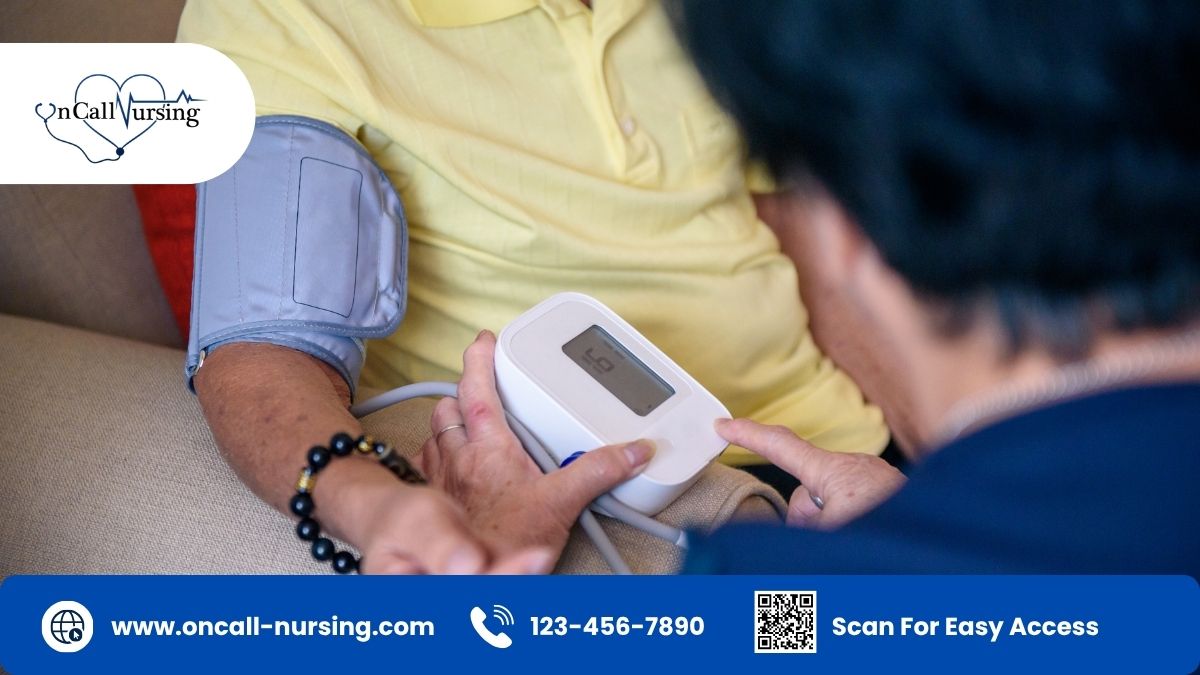
As we age, maintaining our health becomes increasingly important, and one of the most common yet overlooked conditions among older adults is Hypertension.
Often referred to as the “silent killer,” hypertension rarely shows obvious warning signs. Many seniors go about their daily lives feeling perfectly fine, unaware that their blood pressure is
already at dangerous levels.
Left unmanaged, this condition can lead to serious, life-altering complications. But with the right knowledge and support, it is highly manageable and even preventable in many cases.
💡 What is Hypertension?
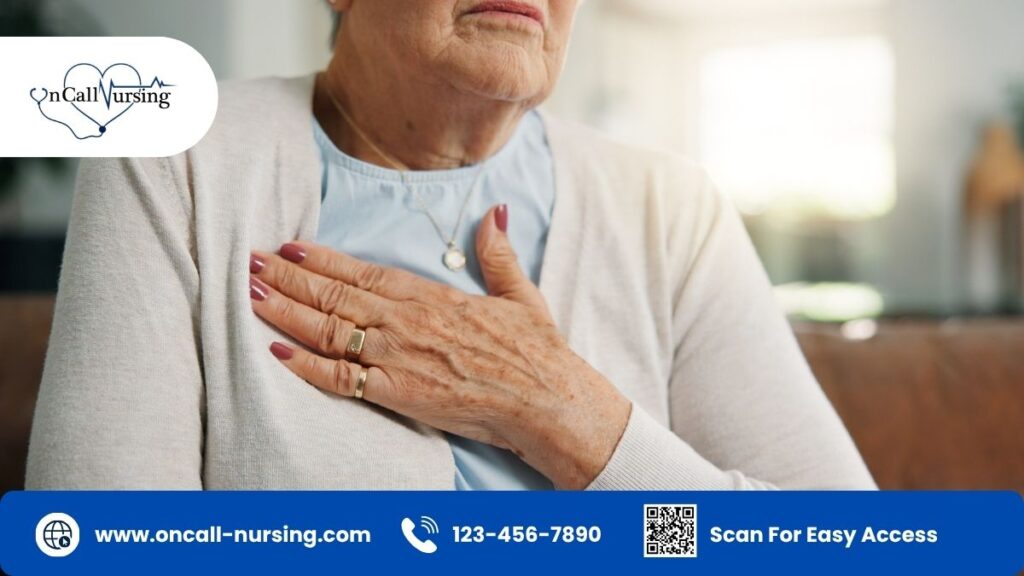
Hypertension occurs when the force of blood pushing against the walls of the arteries remains consistently too high. Over time, this constant pressure damages the blood vessels and forces the heart to work harder than normal.
Blood pressure is measured using two numbers:
- Systolic pressure (top number): pressure when the heart beats
- Diastolic pressure (bottom number): pressure when the heart rests
For seniors, consistently elevated readings, especially above normal ranges, can increase the risk of:
- Stroke
- Heart disease and heart failure
- Kidney problems
- Vision loss
- Cognitive decline, including memory issues and dementia
Because these complications develop gradually, hypertension can silently impact multiple organs before it is even detected.
⚠️ Why It’s More Dangerous for Seniors
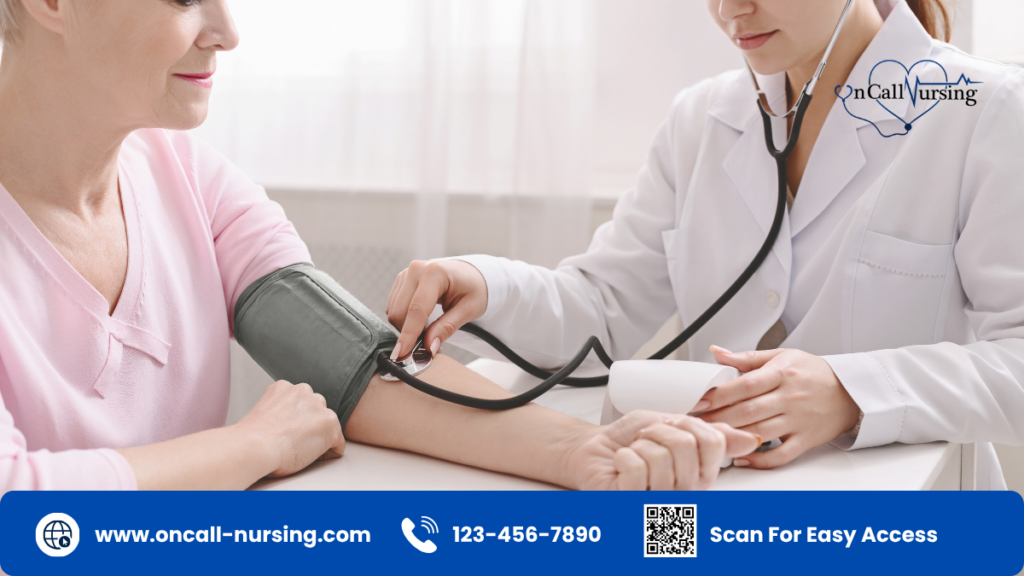
Aging naturally affects the cardiovascular system. Blood vessels lose their flexibility and become stiffer, making it harder for blood to flow efficiently. This alone increases the likelihood of high blood pressure.
However, several other factors can make seniors even more vulnerable:
- Chronic conditions like diabetes or kidney disease
- Medication interactions that may affect blood pressure levels
- Sedentary lifestyle due to limited mobility
- Dietary habits, particularly high sodium intake
- Stress and poor sleep quality
What makes hypertension especially concerning is how it can slowly reduce a senior’s independence. Over time, it may lead to:
- Increased risk of falls due to dizziness or weakness
- Fatigue that limits daily activities
- Hospitalizations from preventable complications
This is why early detection and consistent management are critical.
Signs to Watch For
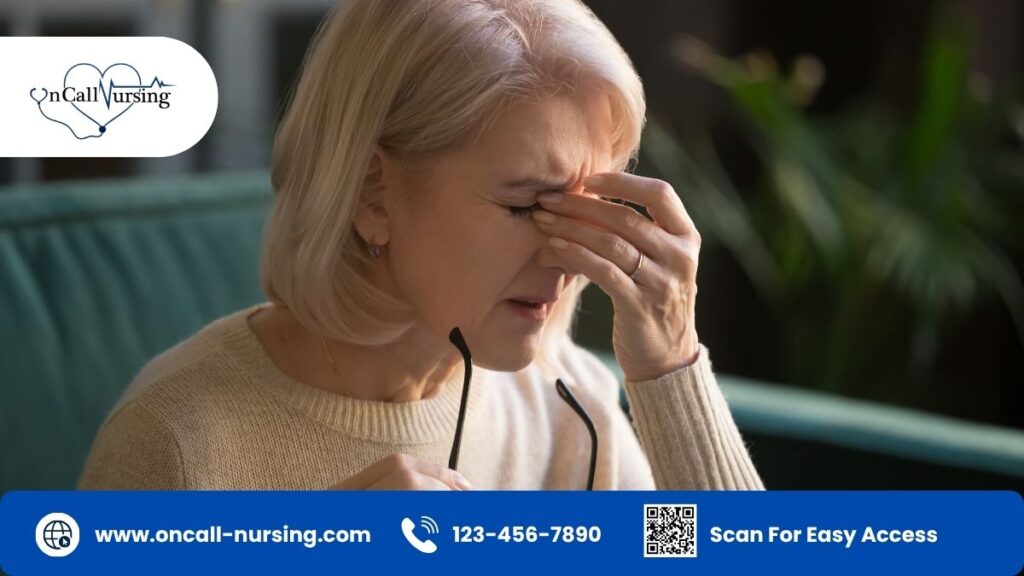
Although hypertension is often symptomless, some seniors may experience subtle warning signs, especially when levels become dangerously high:
- Persistent headaches
- Shortness of breath
- Dizziness or lightheadedness
- Blurred or double vision
- Chest discomfort or palpitations
It’s important to note that waiting for symptoms is not a safe strategy, regular monitoring is the only reliable way to detect hypertension early.
🩺 How It Can Be Managed
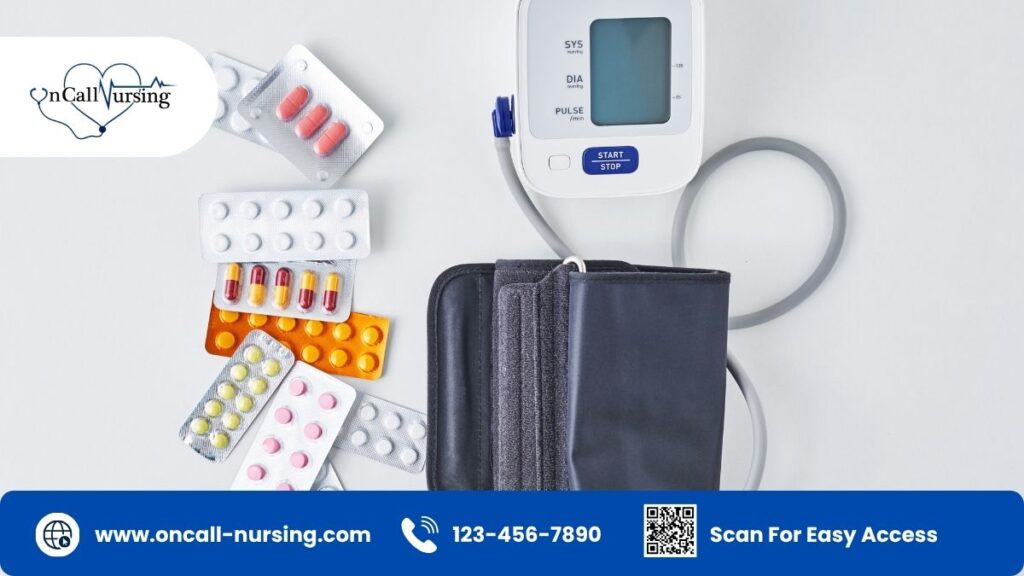
The good news is that hypertension is very manageable with the right lifestyle adjustments and medical support.
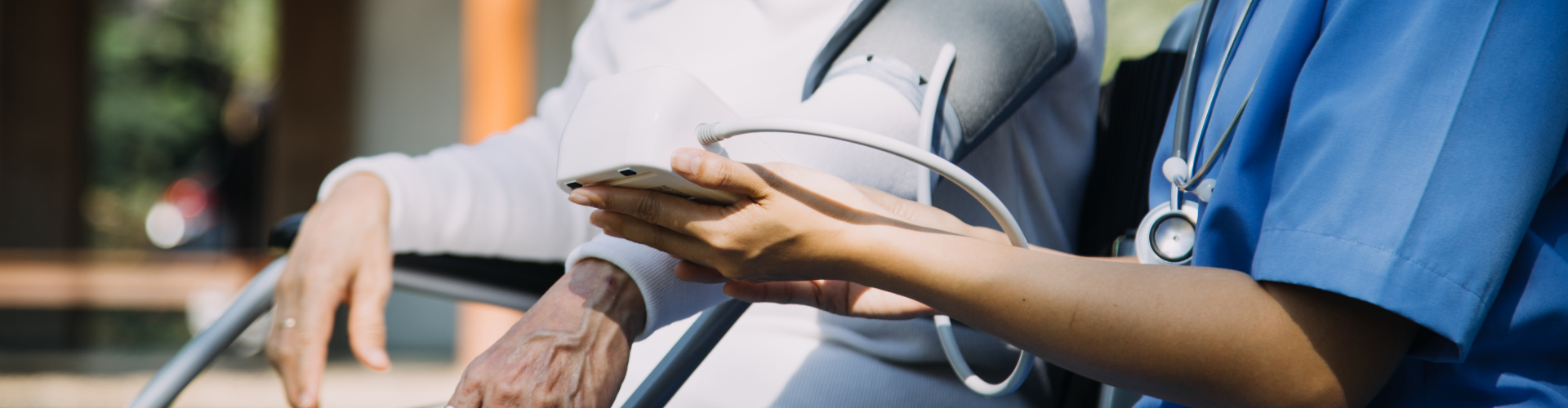
✔️ Regular Blood Pressure Monitoring: Consistent tracking helps identify patterns and detect sudden changes early. Home monitoring devices make it easier to stay on top of readings.
✔️ Medication Adherence: Many seniors are prescribed medications to control blood pressure. Taking these exactly as directed is essential, missing doses can lead to dangerous spikes.
✔️ Heart-Healthy Nutrition: A balanced diet plays a major role. Key recommendations include:
-
- Reducing salt (sodium) intake
- Eating more fruits, vegetables, and whole grains
- Limiting processed and high-fat foods
✔️ Physical Activity: Even light activities such as walking, stretching, or chair exercises can improve circulation, strengthen the heart, and lower blood pressure.
✔️ Stress Management: Relaxation techniques, social interaction, and emotional support can help reduce stress, an often-overlooked factor in hypertension.
✔️ Routine Medical Care: Regular check-ups allow healthcare providers to adjust medications and monitor overall health.
Consistency is key, and for many seniors, having professional support ensures nothing is missed or overlooked.
❤️ How On Call Nursing Can Help
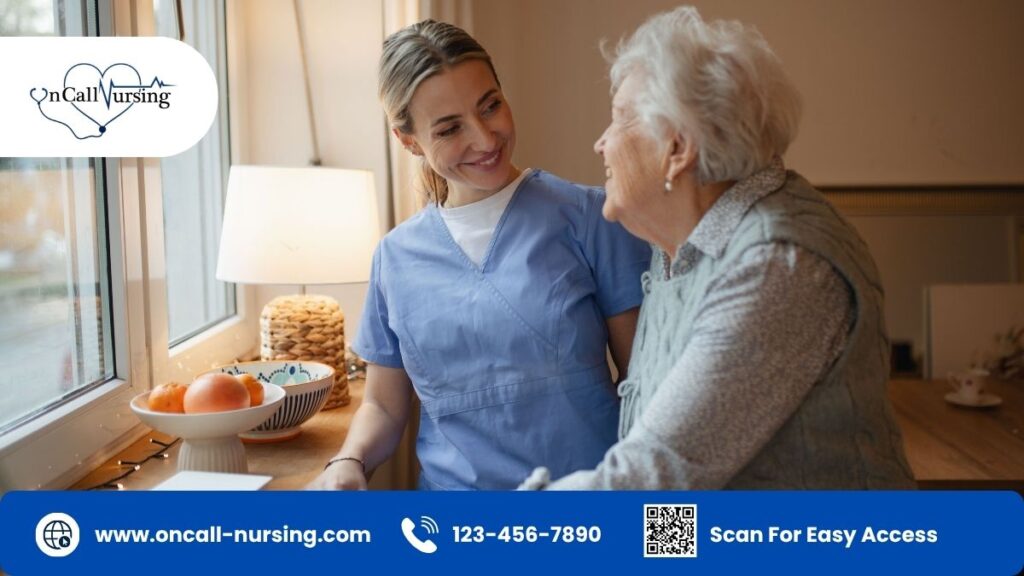
At On Call Nursing, we understand that managing hypertension requires more than just occasional check-ups, it requires consistent, attentive, and personalized care.
That’s why we provide concierge-level, in-home nursing services designed to support seniors safely and comfortably in their own homes.
Our experienced nurses offer:
✔️ Regular monitoring of blood pressure and vital signs
✔️ Medication reminders and administration support
✔️ Coordination with doctors and healthcare providers
✔️ Early detection of potential health concerns
✔️ Home safety checks to reduce fall risks
✔️ Compassionate companionship and emotional support
We act as an extension of your healthcare team, ensuring that care plans are followed closely and your loved one receives the attention they deserve.
The Importance of Early Support
Hypertension doesn’t have to take control of your loved one’s life. With early intervention and the right care, seniors can continue to live safe, independent, and fulfilling lives at home.
Family members often carry the burden of monitoring and care, but you don’t have to do it alone. Professional support can provide reassurance, reduce stress, and improve overall
outcomes.
📞 Let’s Support Your Loved One
If you’ve noticed changes in your loved one’s health, or simply want to take a proactive approach, now is the time to act. Because when it comes to hypertension, what you don’t see can still have a serious impact.
👉 Contact On Call Nursing today to learn how our personalized, in-home care services can support your loved one’s health, safety, and peace of mind.