
Standard Home Care vs. Concierge Nursing: What’s the Difference?
When a loved one begins to need extra care at home, families are often faced with an important decision: Should you choose standard home care or concierge nursing?
At first glance, both options may seem similar. Both provide support in the comfort of home, and both can help improve quality of life. However, the level of care, clinical expertise, and responsiveness can be very different.
Understanding the difference between standard home care and concierge nursing can help families make the best decision for their loved one’s safety, recovery, independence, and long-term well-being.
For families in Boca Raton and across Florida, choosing the right type of in-home nursing care is especially important when a loved one has complex medical needs, recently came home from the hospital, or requires closer monitoring than basic caregiving can provide.
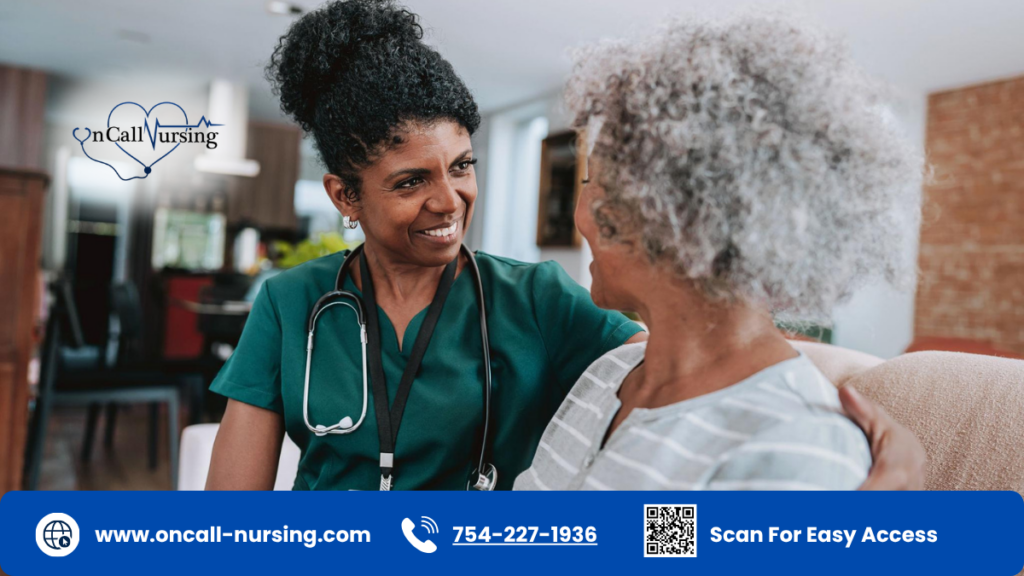
What Is Standard Home Care?
Standard home care focuses primarily on non-medical support. This type of care helps individuals with everyday activities so they can remain safe, comfortable, and supported at home.
For many seniors, standard home care can be helpful when they need assistance with daily routines but do not require clinical monitoring or medical oversight. It is often a good fit for someone who is mostly stable but needs extra help with personal care, household tasks, or companionship.
Services may include:
- Bathing and grooming assistance
- Meal preparation and nutrition support
- Light housekeeping and home organization
- Companionship and emotional support
- Mobility assistance and help with transfers
- Transportation support for errands or appointments
However, standard home care has limitations. Most caregivers are not licensed nurses, which means they typically cannot provide clinical assessments, manage medical conditions, or identify subtle health changes before they become serious.
Common limitations include:
- Caregivers are often not licensed medical professionals
- Limited medical monitoring or vital sign tracking
- No full nursing assessment or clinical evaluation
- Medication support is usually limited to reminders
- Care is often reactive instead of preventive
- Changes in condition may not be identified early
For individuals with chronic conditions, recent hospitalizations, mobility risks, medication concerns, or higher care needs, standard home care may not provide enough oversight.
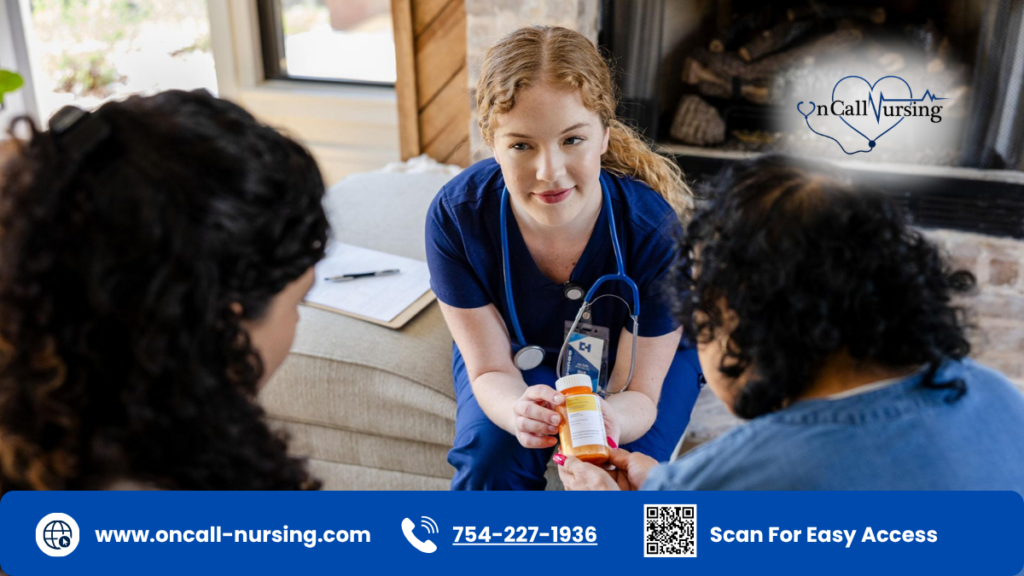
What Is Concierge Nursing?
Concierge nursing is a higher level of in-home nursing care that combines clinical expertise with personalized, one-on-one support. It is often provided by licensed professionals such as Registered Nurses (RNs) or Licensed Practical Nurses (LPNs), depending on the care plan and the client’s needs.
Unlike basic caregiving, concierge nursing is medically driven. The focus is not only to assist with daily activities but also to monitor health, manage risks, communicate with family members, and help prevent complications before they become emergencies.
Concierge nursing services may include:
- Comprehensive head-to-toe nursing assessment
- Vital sign monitoring and symptom tracking
- Medication management and medication safety support
- Chronic condition monitoring, including diabetes and hypertension
- Post-surgical recovery support
- Wound care or care coordination when needed
- Fall prevention and home safety evaluations
- Communication with doctors, specialists, and family members
- Personalized care planning based on changing needs
The key difference is that concierge nursing is proactive. A nurse is trained to notice early warning signs, ask the right clinical questions, and recommend timely next steps. This can help reduce unnecessary emergency room visits, prevent hospital readmissions, and support safer recovery at home.
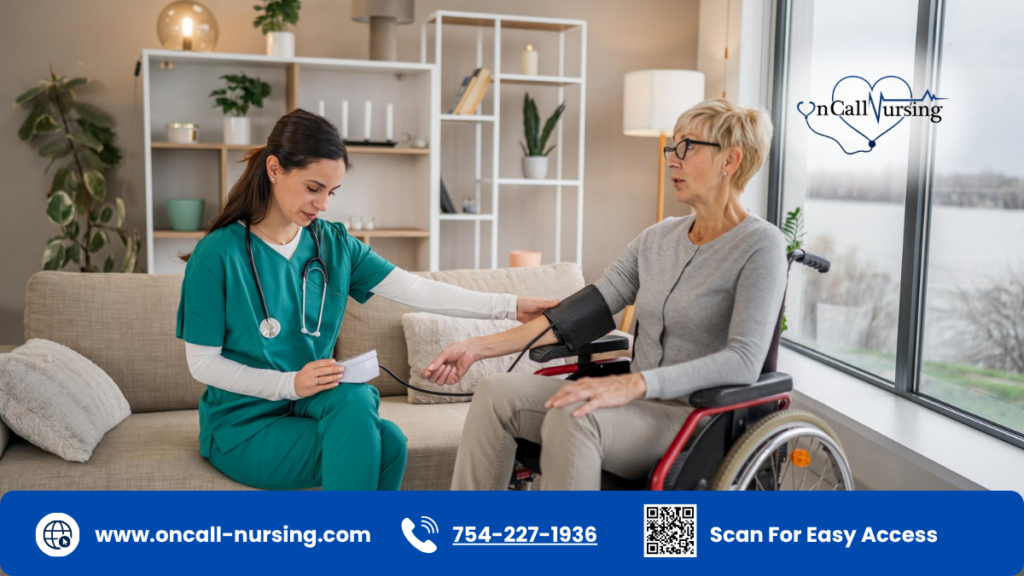
Key Differences at a Glance
The table below shows the main differences between standard home care and concierge nursing.
| Feature | Standard Home Care | Concierge Nursing |
| Care Type | Non-medical support | Medical + non-medical support |
| Provider | Caregiver | Licensed Nurse or clinical professional |
| Monitoring | Limited | Ongoing and proactive |
| Medication | Reminders only | Medication management and oversight |
| Approach | Reactive | Preventive and personalized |
| Care Plan | General support plan | Customized RN-led care plan |
| Doctor Coordination | Limited or not included | Communication and care coordination when needed |
| Best For | Daily living support | Complex needs, recovery, chronic conditions, or higher-risk clients |
Why the Difference Matters for Families
Choosing between standard home care and concierge nursing is not just about comfort. It can affect safety, recovery, independence, and overall health outcomes.
Many families begin with basic help at home, but over time they may notice changes that require a higher level of attention. These changes can include increased weakness, confusion, medication concerns, frequent falls, worsening chronic symptoms, or difficulty recovering after surgery or hospitalization.
Without proper monitoring, the following issues can happen:
- Small health changes may go unnoticed
- Medication errors or missed doses may occur
- Symptoms may worsen before anyone recognizes the problem
- Fall risks may increase
- Recovery after surgery or illness may take longer
- Hospital readmission risk may rise
With concierge nursing, families benefit from clinical oversight and early intervention. A nurse can identify concerns sooner, provide guidance, and help coordinate the right next steps.
Benefits of concierge nursing include:
- Early detection of health concerns
- Reduced risk of preventable complications
- Support for safer recovery at home
- Improved medication safety
- Better communication with families and providers
- Peace of mind knowing a licensed professional is involved
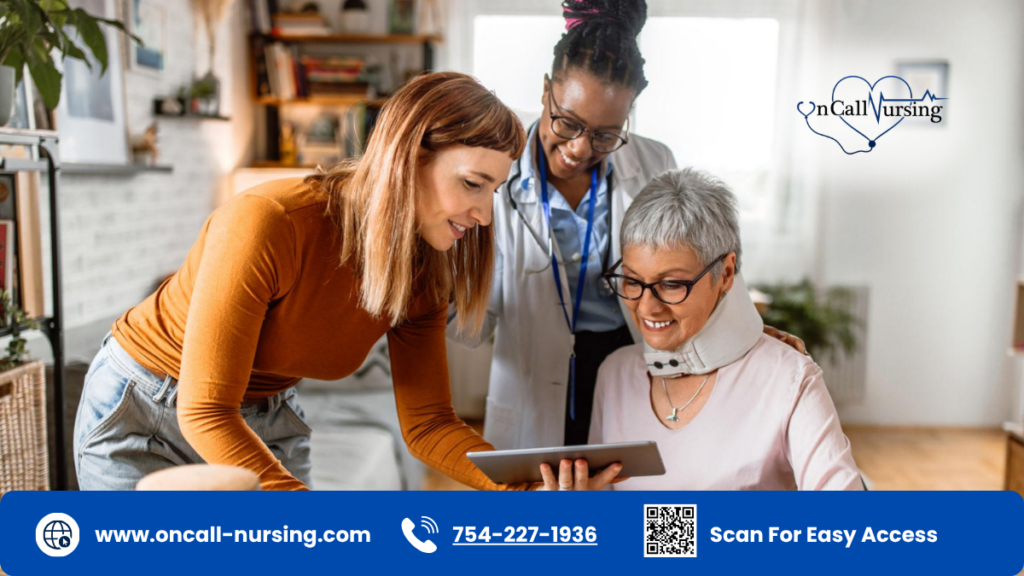
When Should You Choose Concierge Nursing?
Concierge nursing may be the better option when a loved one needs more than basic help with daily activities. It is especially valuable when medical conditions, recovery needs, or safety concerns require closer attention.
You may want to consider concierge nursing if your loved one:
- Recently returned home from the hospital
- Is recovering from surgery or a medical procedure
- Has multiple medications or medication changes
- Lives with chronic conditions such as diabetes, hypertension, heart disease, or dementia
- Has experienced falls, weakness, or mobility decline
- Needs regular vital sign checks or symptom monitoring
- Requires family updates or coordination with healthcare providers
- Needs support that can adjust as their condition changes
For families who want a more personalized, responsive, and medically informed approach, concierge nursing offers a higher level of confidence and support.
Pediatric & Specialized Care
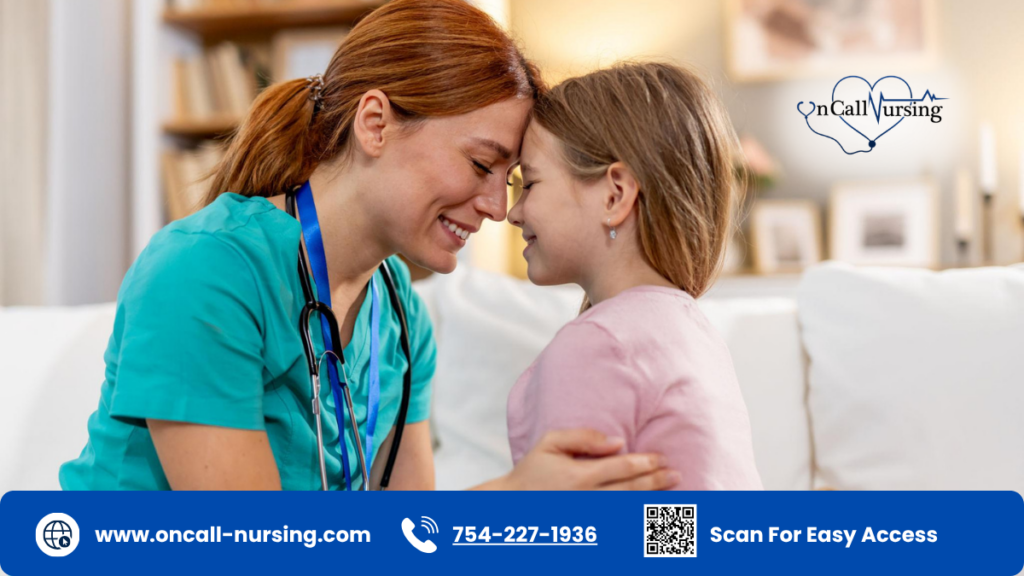
Concierge nursing is not only for seniors. It can also support children and younger patients with medical needs who require professional care in the home setting.
Pediatric in-home nursing care may help families whose children need monitoring, medication support, recovery care, or assistance with specialized health needs. Receiving care at home can reduce stress, support comfort, and help families feel more confident managing daily routines.
For medically complex children or families navigating ongoing health needs, having access to private duty nursing or skilled in-home support can make a meaningful difference.
In-Home Concierge Nursing in Boca Raton, Florida
Families in Boca Raton and across Florida are choosing concierge nursing because it provides a higher standard of care without requiring a move to a facility. It allows clients to remain in the comfort of home while receiving personalized support based on their health, lifestyle, and goals.
At On Call Nursing, we provide personalized, RN-led care designed to support safety, comfort, independence, and peace of mind. Whether your loved one needs short-term recovery support, ongoing health monitoring, medication management, or a more proactive care plan, our goal is to help them stay safe and supported at home.
Our concierge approach means care is not one-size-fits-all. Each plan is tailored to the person, the family, and the level of support needed.
Give Your Loved One the Care They Deserve
If your loved one needs more than basic home care, concierge nursing may be the right next step.
- Concierge-level care
- Personalized care plans
- RN-led support
- Medication management
- Home safety and nursing assessments
- Flexible support when you need it most
📞 Call: 754-227-1936
🌐 Website: www.oncall-nursing.com
📲 Scan QR Code to Book an Assessment
FAQ: Standard Home Care vs. Concierge Nursing
Q: What is the main difference between standard home care and concierge nursing?
A: Standard home care focuses on non-medical daily assistance, while concierge nursing provides licensed medical support, clinical monitoring, medication management, and proactive care planning.
Q: Is concierge nursing worth it?
A: Yes. Concierge nursing is especially valuable for individuals with medical conditions, recent hospitalizations, medication concerns, chronic illness, or higher safety risks.
Q: Can concierge nursing help prevent hospital visits?
A: Concierge nursing can help reduce preventable hospital visits by identifying health changes early, improving medication safety, and supporting timely communication with healthcare providers.
Q: Is concierge nursing only for seniors?
A: No. Concierge nursing can also support pediatric patients, post-surgical clients, adults with chronic conditions, and anyone who needs a higher level of in-home care.
Q: How often can a concierge nurse visit?
A: Visits can be customized based on the client’s needs. Some families may need daily care, while others may benefit from weekly or monthly nursing assessments.
Q: Does On Call Nursing provide concierge nursing in Boca Raton?
A: Yes. On-Call Nursing provides concierge nursing and in-home nursing care in Boca Raton and surrounding Florida communities.